

On this page
Set the washer humming, leave low classical playing from across the room, and many dogs sigh, circle once, and fold onto a hip with slower breathing.
Turn the same room up to pounding bass or fast pop and the body tells a different story — pacing, lip-licking, yawning in bursts, shadowing you room to room. In structure/function terms, steady rhythm may help support maintaining a resting posture, while unpredictable sound keeps arousal load high.
Mickie, a 10-year-old neutered male French Bulldog from Baton Rouge, shows that split clearly. His owner Terri plays low classical during afternoon naps, and over about 2 weeks she notes he stays on his bed for a full hour instead of shifting every 10 minutes. Switch to a loud cleaning playlist and he paces again.
Test one calm track first
Pick one slow piece. Solo piano, strings, harp, or soft guitar.
Play it at conversation level or lower. Sit nearby for 5 minutes.
Watch in order. Lowered head, soft eyes, hip roll to one side, one sigh, then stillness point toward comfort. Pacing when the house is cool, pinned ears, panting, barking, or leaving the room mean turn it down or turn it off.
Keep the first sessions short. Try 15 to 20 minutes during planned rest, not during storms or fireworks when fear already runs high.
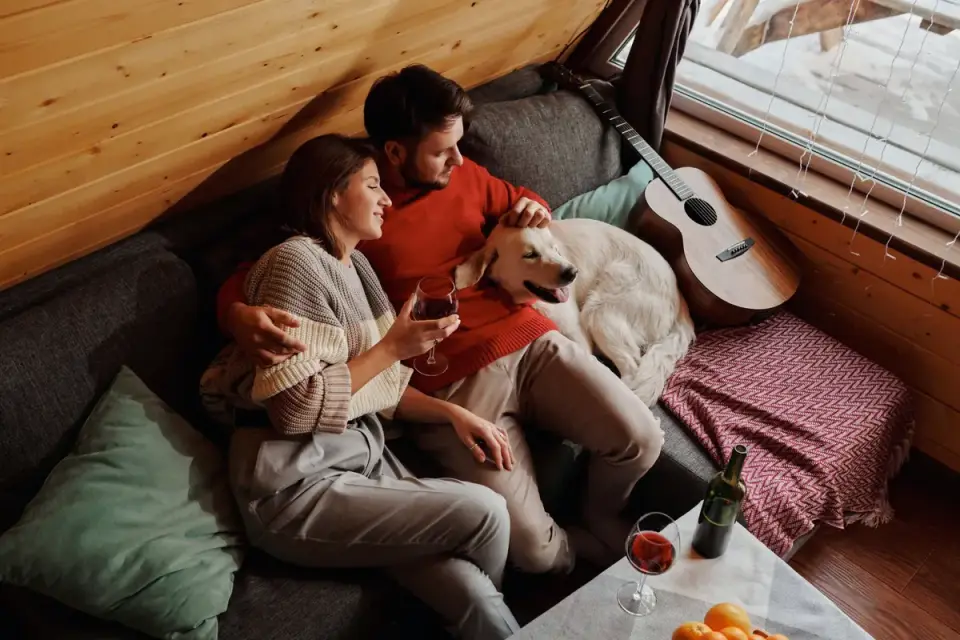
Read the body like a rehab check
Hands, shoulders, and breath give better answers than ears alone. Tight shoulders and rapid shallow breaths signal load through the neck, back, and rib cage. A dog that can lie sternal or lateral, breathe slowly, and stay put may help support maintaining normal muscle tension through rest.
Loud or sudden sound does the opposite for sensitive dogs. Avoidance, trembling, hiding, and vocalizing are classic noise-aversion responses described by Merck Veterinary Manual, and they mean the sound plan is working against the body, not with it.
Give choice every time. Leave a quiet corner with no direct sound and a familiar bed. For dogs that pace back and forth at night, that paired rest cue often matters more than any single playlist.
Set the room for rest, not performance
Place the speaker across the room, never inside the crate. Keep volume low enough to talk over easily.
Keep tempo slow and phrasing predictable. Skip heavy bass, rapid drums, and tracks with sudden shouts or sirens.
Pair music with the same rest sequence — same bed, same dim light, same chew. Use it before naps, crate rest, grooming, or car settling practice.
For dogs that need more than sound on hard days, keep the routine food-first and simple, and review basics like the approach in Chamomile Dosage for Dogs: What Our Panel Actually Recommends with your veterinarian before adding anything new.
Choice matters.
Know when sound is the wrong tool
Skip music as a cover for separation distress, pain, or nighttime restlessness. A dog that barks for 30 minutes after departure, limps on stairs, avoids jumps, or pants through the night needs a workup first.
During storms, do not raise volume to drown thunder. Steady low sound plus a safe interior room works better than loud competition. Guidance on noise fear from VCA Hospitals centers on reducing exposure and building a safe routine, not flooding the dog with more sound.
In practice, vets often see music help most once the medical drivers are addressed. Then calm tracks may help support maintaining settled behavior through the evening routine.
Play for the dog in front of you, not the playlist.
Frequently asked questions
Do dogs like music or just quiet?
Many dogs settle best with either low, steady music or quiet. Offer a calm track at low volume, watch for softer posture and slower breathing, and choose quiet if the dog leaves the room or paces.
What type of music calms dogs most?
Slow, predictable pieces with simple melody — soft classical, solo piano, strings, or acoustic guitar at low volume. Skip loud bass, fast drums, and sudden changes.
Sources
- Noise Aversion in Dogs — Merck Veterinary Manual
- Fear of Noises in Dogs — VCA Hospitals