
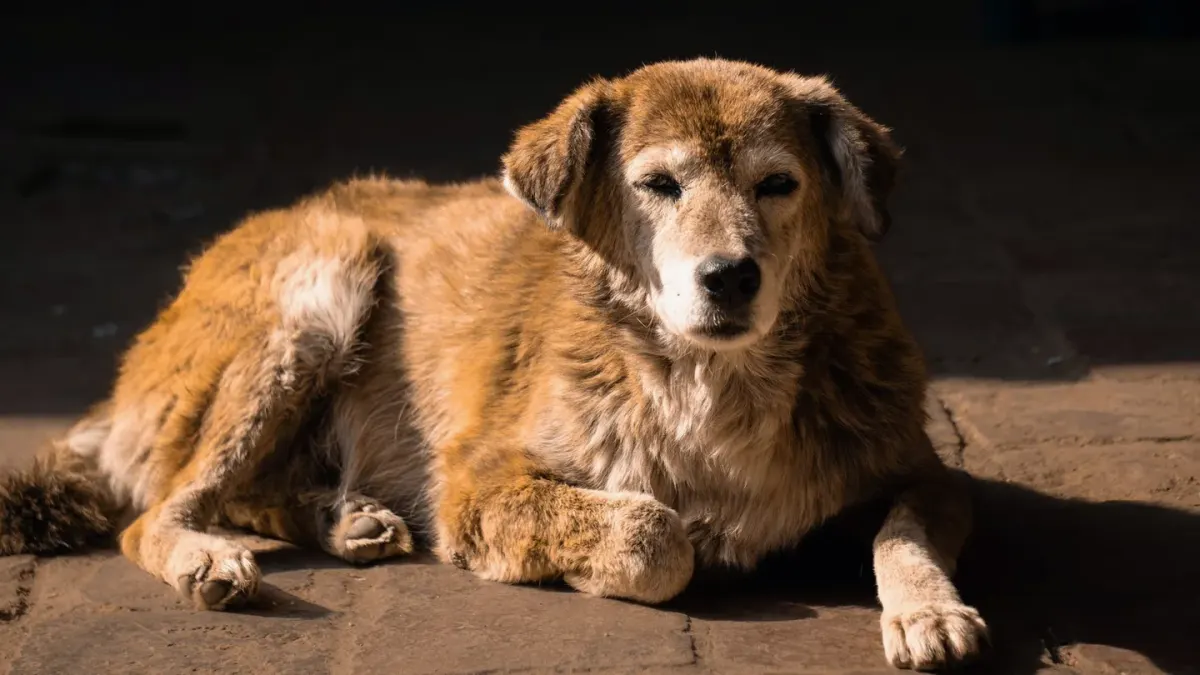
Jay leaves for a 40-minute grocery run in Boulder, and Peony, his 5-year-old spayed female Maltipoo, pants at the door, drools on the rug, and scratches the trim before he is out of the driveway. He wonders whether a snug pressure wrap will stop the panic underneath it.
Separation anxiety is not simple nervousness. VCA Hospitals describes a distress response to isolation or departure cues that may include vocalizing, destruction focused on exits, house soiling, drooling, and attempts to escape, often beginning within minutes of departure.
Why alone-time panic differs from noise fear
Thunder, fireworks, and travel provoke a time-limited startle and recovery cycle. Separation anxiety involves anticipation, attachment behavior, hypervigilance to departure cues, and loss of normal rest and self-regulation while alone.
From a structure/function view, think of the sequence as arousal, muscular bracing, rapid breathing, pacing, and then exhaustion without true recovery. Cornell University College of Veterinary Medicine frames prevention and treatment around gradual departures, independence skills, and consistent routines rather than restraint alone. That distinction matters because a wrap that quiets pacing has not necessarily taught the body to maintain calm through a two-hour absence.
Vets often see owners misread quieter destruction as success. A dog may stop barking yet continue to drool, refuse food, or hold stiff posture on camera.
What steady pressure may do to an aroused body
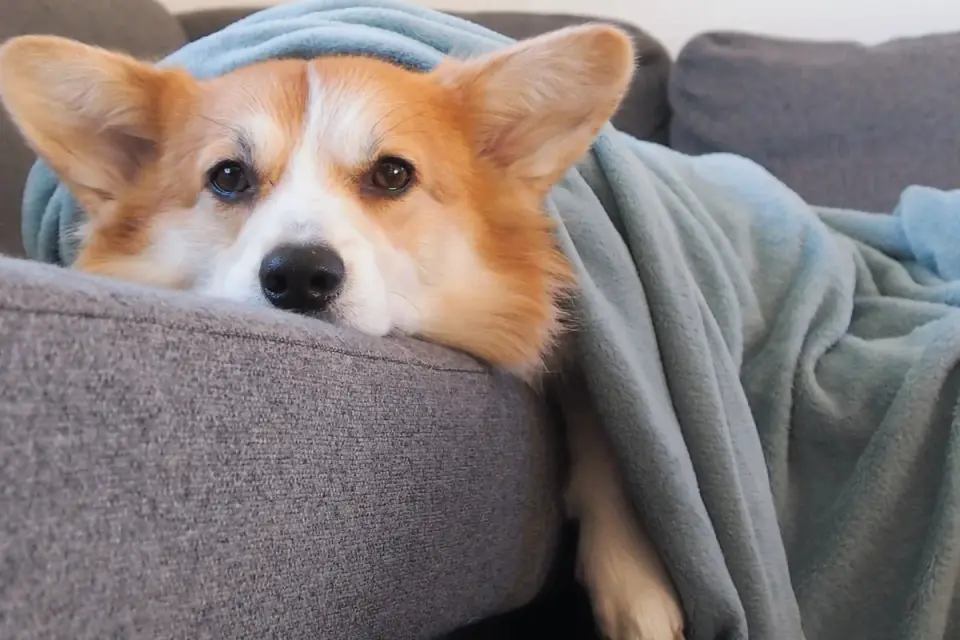
Pressure wraps apply distributed, sustained contact around the torso. The proposed mechanism is reduced proprioceptive noise: constant input to skin and underlying musculature may help support maintaining steadier posture and slower respiratory excursion in some dogs, much as swaddling or a firm hand on the ribcage cues some anxious dogs to exhale and lie down.
That effect is modest, variable, and context dependent. Fit must be snug without restricting rib expansion, chafing the axillae, overheating, or limiting normal position changes. The wrap should go on several minutes before a departure cue, paired with a calm mat or crate routine, and come off on return so it does not become another departure predictor.
It does not address learned panic, barrier frustration, incomplete housetraining, cognitive decline, or pain that worsens when a dog paces. Merck Veterinary Manual places separation problems within a broader behavioral examination that includes medical causes, environment, and learning history.
Pressure alone is not training.
In practice, the most defensible use is as a support layer during systematic desensitization: short, planned absences with video monitoring, departure-cue decoupling, enrichment that the dog actually uses alone, and daytime exercise and rest balance. For dogs that cannot eat, rest, or stop circling on camera, or for senior dogs with new nighttime restlessness, owners should ask a veterinarian about pain, cognition, and referral to a behavior professional rather than tightening the wrap. Related nighttime pacing is discussed in Why Does My Dog Pace Back and Forth at Night? and age-related fatigue in Why a Senior Dog Seems More Tired in Summer Heat Than She Used To.
Our panel read: useful layer, not the treatment
I recommend owners prioritize what restores function: the ability to lie down, breathe slowly, and maintain rest while alone. A pressure wrap may help support maintaining that settled posture during mild departures and storms, alongside training, and that is where my support ends.
I would change that position for separation anxiety specifically if randomized, blinded trials showed sustained alone-time rest, reduced vocalization, and lower physiologic arousal versus sham wrap across repeated absences — not owner scores after one thunderstorm. Current evidence does not meet that bar, which is why the wrap stays adjunctive.
Try a two-week test with video. Record baseline departures without the wrap, then matched departures with correct fit, same duration, same enrichment, and same pre-departure routine. Keep what increases lying down, chewing, and quiet intervals. Discard what only muffles sound for neighbors while the body stays braced. For dogs that need daily chemical support, discuss botanical and nutritional options, exercise needs, and realistic expectations with your veterinarian, using context from Does Regular Exercise Actually Slow the Aging Process in Dogs? and Chamomile Dosage for Dogs: What Our Panel Actually Recommends.
A calmer departure starts with a body that can settle and stay settled.
Frequently asked questions
Will a ThunderShirt stop separation anxiety on its own?
Usually no. It may reduce visible restlessness in some dogs, but lasting change comes from gradual alone-time training, routine, and veterinary guidance when panic is severe.
How should I test whether a pressure wrap helps my dog?
Use video and matched departures of the same length. Look for more lying down, slower breathing, and normal chewing or resting, not just less barking.
Sources
- Separation Anxiety in Dogs — VCA Hospitals
- Behavior Problems in Dogs — Merck Veterinary Manual