
On this page
You notice it first in the yard, not in a textbook. A four-year-old 38-pound mixed-breed dog comes in for soft, late-day stools that never quite firm up. His owner has already switched proteins twice and added plain pumpkin for three weeks with little change. The morning stool scores around a 3 on a 5-point firmness scale the clinic uses, then slides to a loose 1 by 6 p.m. She asks whether a small spoonful of galacto-oligosaccharide powder, the GOS fibre she saw in a gut formula, would be worth adding to his bowl.
GOS is a short-chain fibre made from lactose. Dogs do not digest it in the small intestine, so it travels to the colon where resident microbes ferment it. That fermentation may help support growth of beneficial bacteria and normal short-chain fatty acid production, which in turn may help support normal stool form and comfortable digestion. Think of it as food for the microbes already living there, rather than adding new microbes the way a probiotic does.
Our reviewing vets see GOS as a narrow tool with a reasonable job. Where the evidence is strongest is basic fermentation and tolerance in companion animals. Where it is thin is any promise of fixing chronic diarrhea, allergy signs, or weight on its own. Mixed is whether one dog will show a visible change, because diet, transit time, parasites, and stress all shape the stool you scoop.
When Loose Stools Keep Coming Back Despite a Good Diet
Most dogs we consider for GOS are already eating a complete diet and have had parasites ruled out. The pattern is familiar: decent mornings, gassy afternoons, urgency after meals, and an owner who is tired of guessing. A balanced gut microbiome supports overall immune function, and steady fibre fermentation is one small part of that balance. Fibre alone will not correct an unbalanced ration, a sudden diet change, or an undiagnosed medical issue, and it should not delay an exam when blood, vomiting, weight loss, or lethargy appear.
Start with the bowl you have. Feed consistent meals at consistent times for seven to ten days, measure portions, and keep treats under ten percent of calories. Note stool timing and form. If that baseline stays uneven and your veterinarian agrees, a prebiotic fibre trial makes sense as an add-on, not a reset.
The Gas Lesson I Relearn With Every Fibre Trial
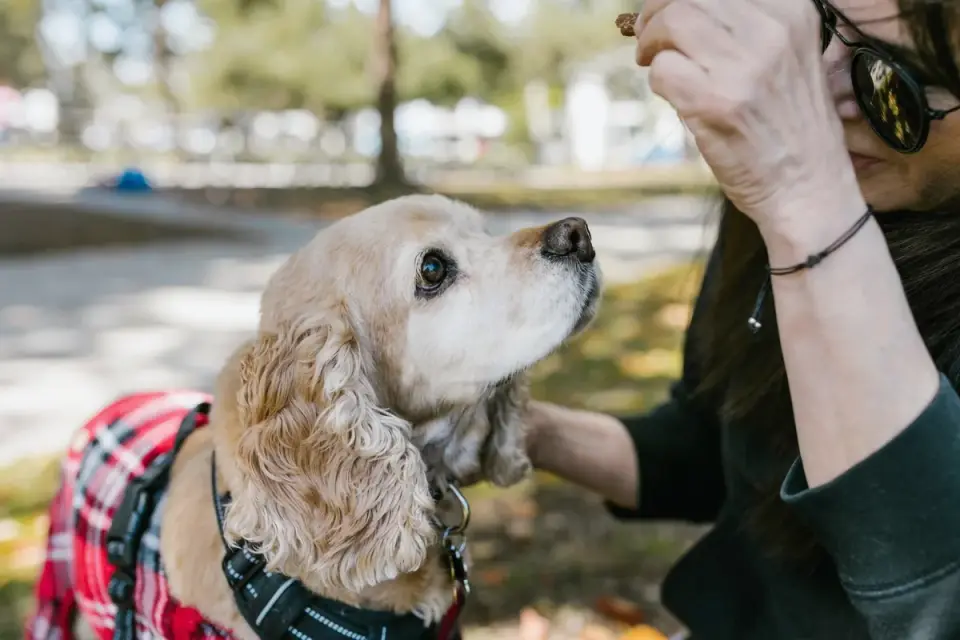
A six-year-old 24-pound terrier type taught me how easy it is to overshoot. His owner started a GOS-containing topper at the full label amount on a Friday, hoping for firmer stools before a weekend trip. By Sunday night he had passed gas through two walks and needed out at 2 a.m. and 4 a.m., with rumbling you could hear from the hallway. She stopped everything on Monday and called it a failure. When we restarted ten days later at roughly one-quarter of the prior scoop, mixed into his evening meal with warm water, he stayed comfortable and his 5 a.m. urgency faded over eight nights.
That tradeoff shapes how our panel weighs GOS. More fermentation at once often means more gas and softer stools before the gut steadies. A gentle start may help support tolerance, while a fast start can undo trust in a product that might have helped. Pair each change with plain structure and function language: GOS may help support normal microbial balance and normal stool consistency in some dogs, and some dogs simply do not need it.
Look for labels that name galacto-oligosaccharides or GOS plainly, give a daily amount by weight, and carry quality testing. The National Animal Supplement Council seal is one marker our panel likes for manufacturing controls, though it does not prove efficacy. The Office of Dietary Supplements offers a calm overview of how probiotics, prebiotics, and resident microbes are thought to interact, which can help you read marketing claims with steadier eyes.
How to Try GOS Without Upsetting the Bowl
Ask your veterinarian first if your dog has diabetes, chronic kidney disease, pancreatic disease, or takes medication that affects blood sugar or fluid balance. Then keep the trial simple. Choose one fibre source at a time so you know what helped. Introduce about one-quarter of the label amount for three to four days, then move toward one-half if stools and gas stay steady. Most dogs show whatever tolerance signal they will show within one to two weeks.
Mix the powder or chew into a moist meal rather than feeding it dry on an empty stomach. Keep water available, since fibre plus low water intake can firm stools more than you intended. Hold treats, toppers, and table scraps steady during the trial. If gas, gurgling, or looseness rises, step back to the prior tolerated amount for several days instead of pushing through.
Stop and call your clinic for vomiting, bloody stool, straining with little output, refusal of food beyond one missed meal, belly pain, or lethargy. For background on when digestive support is not enough on its own, our guide to The Best Probiotic for Dogs: Our Vet Panel’s 2026 Verdict and Can I Give My Dog Imodium for Diarrhea? Our Panel’s Verdict walk through red flags and next steps.
The Senior Dog Who Needed a Different Plan
An eleven-year-old 62-pound senior dog came in after a dental cleaning, eating a new soft recovery diet for twelve days. His owner wanted to add GOS because his stools had turned pudding-soft and he seemed gassy on the couch each evening. On exam he was drinking almost a full extra quart of water per day and had lost two pounds since spring. That pattern bent the usual advice. Instead of layering fibre onto a short-term diet, we stayed with small, frequent meals of his regular senior food, added water gradually, and asked for bloodwork and a fecal check before any supplement trial.
That is the palliative gentleness I carry into fibre talks. GOS may help support normal digestion in a stable adult dog, yet an older dog with changing thirst, weight, appetite, or energy needs answers before add-ons. If your dog is thriving but inconsistent, a careful trial is reasonable. If the whole patient is shifting, let your veterinarian lead and keep fibre on the shelf for now.
Our Vet Verdict: Worth a Careful Trial, Not a Must-Have
For the dog eating a complete diet with mild gas or variable stools and a normal exam, GOS is worth a two-week, low-and-slow trial. You are watching for calmer afternoons, less straining, and stools that hold shape to the second walk of the day. If you see no change at a tolerated amount, stop and reassess diet, treats, parasites, stress, and routine before buying another bag.
I would prioritize label clarity, a weight-based amount, and steady meals over chasing higher fibre percentages. I would not use GOS to mask ongoing diarrhea, to replace veterinary care, or alongside three new supplements at once. Held to that narrow role, it earns a quiet place in the bowl for some dogs and a polite pass for the rest.
For related gut support reading, see Best Joint Supplement for Dogs: Our Vet Panel’s Scored Verdict for senior-dog routines where digestion and mobility overlap, and Best Longevity Supplement for Senior Dogs: Our Vet Panel’s 2026 Verdict for how our panel weighs thin versus mixed evidence in older dogs.
Sources
- Probiotics – Health Professional Fact Sheet — Office of Dietary Supplements
- The Quality Seal Program — National Animal Supplement Council