
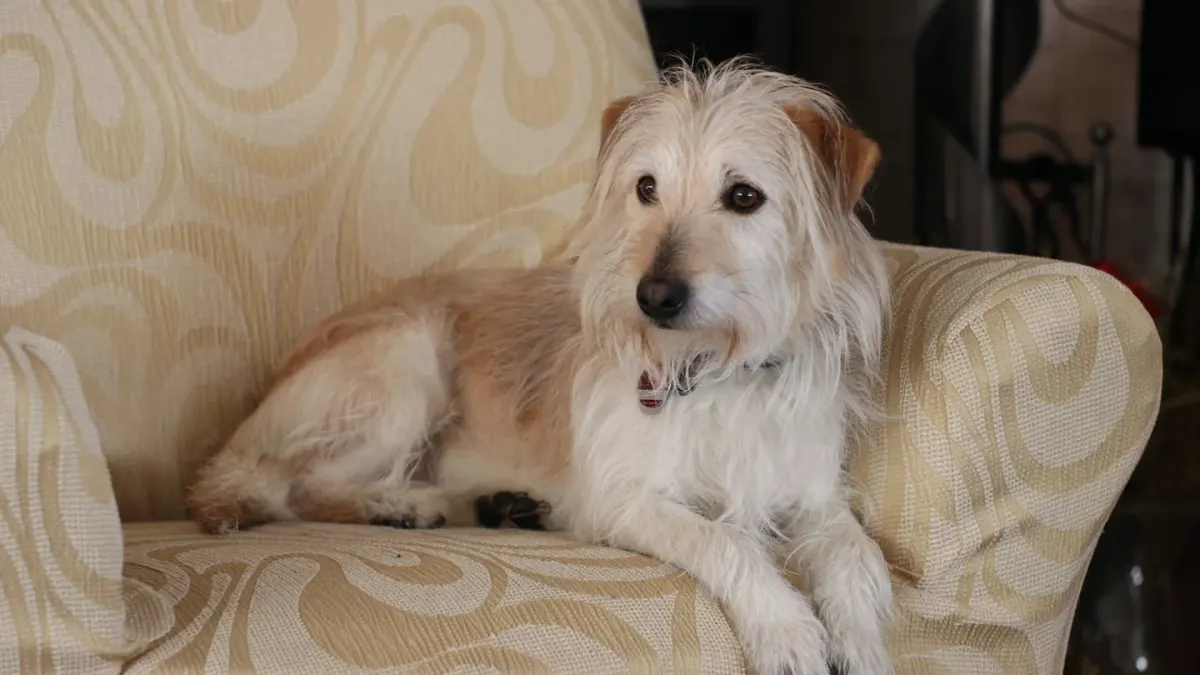
Cindy puts Satchmo, her 6-year-old neutered Toy Poodle, in the kitchen with a rock-hard marrow bone so she can finish dishes in Rockford, and within 20 minutes the chewing stops and the pawing at the muzzle starts.
Veterinary dentists count that pattern in slab fractures of the upper fourth premolars, not in minutes of quiet. In practice, vets often see the same trade: the longer a chew resists, the more tooth takes the load.
Why hardness decides safety first
Enamel does not bend. Bone, antler, horn, and thick nylon stay rigid under a carnassial tooth, and something has to yield.
The U.S. Food and Drug Administration warns that bones and bone-like chews can cause broken teeth, mouth injuries, choking, and intestinal blockage, and recommends supervising chewing and discarding pieces that can be swallowed.
That frames the musculoskeletal picture in plain terms: chewing loads jaw muscles, temporomandibular joints, and neck posture, while the tooth itself absorbs compression it was never built to win against stone-hard material.
A practical screen many dentists teach is the thumbnail test — if you cannot dent the surface with your thumbnail, assume your dog’s slab-cusp tooth cannot safely dent it either.
Hardness outlasts patience. That is the problem.

What vets reach for instead of durability
The American Veterinary Medical Association ties routine dental care to daily habits and professional evaluation, noting that chewing products vary widely and that owners should look for demonstrated safety rather than marketing claims for cleaning.
Flexible wins here. Vets tend to favor chews that deform, shred, or dissolve with saliva: thin rawhide-free strips, enzymatic dental chews with a Veterinary Oral Health Council seal, rubber puzzle toys stuffed with wet food and frozen, or a lick mat for anxious evenings.
These may help support calmer chewing behavior and normal jaw movement through repetitive, low-force motion, paired with acupuncture-informed attention to neck tension and whole-patient balance, rather than promising to cure anxiety or fix teeth.
Tonya learned the other side with Pudgy, her 10-year-old intact Saint Bernard in Gresham, when a 4-inch antler tip disappeared in one unsupervised afternoon and meant two days of watching stools and a call about radiographs. Size and swallow risk matter as much as hardness, especially for giant breeds that can shear off chunks.
Match chew width to the dog’s muzzle, supervise every session, and remove the chew once it is small enough to swallow or sharp enough to cut gums.
Our panel verdict on chewing long without harm
Stop shopping for indestructible. Shop for yielding, sized right, and finished under watch.
Choose flexible dental chews, freezable rubber feeders, and short, supervised sessions over antlers, cooked bones, hooves, and dense nylon. Pair chewing with brushing where the dog allows it, plus regular oral exams that check alignment, chiropractic balance through the neck and jaw, and comfort on both sides of the mouth.
For more on evening restlessness that drives destructive chewing, see Why Does My Dog Pace Back and Forth at Night? and Chamomile Dosage for Dogs: What Our Panel Actually Recommends. If senior slowing overlaps with chewing changes, Is CoQ10 Safe for Senior Dogs, and What Does It Actually Do? lays out where that evidence stands.
Which chew would your vet pick up first — the one that lasts a month, or the one that gives?
Frequently asked questions
Are antlers safe long lasting chews for power chewers?
Most vets say no for aggressive chewers because antlers do not give and commonly fracture slab teeth; choose a flexible chew and supervise.
How long should a chew session last?
Keep sessions short, around 10 to 15 minutes, then remove and inspect the chew for sharp edges or small swallowable pieces.
Sources
- Pet Dental Care — American Veterinary Medical Association