
On this page
It’s not bad behavior, and it’s not a sign your vet did something wrong.
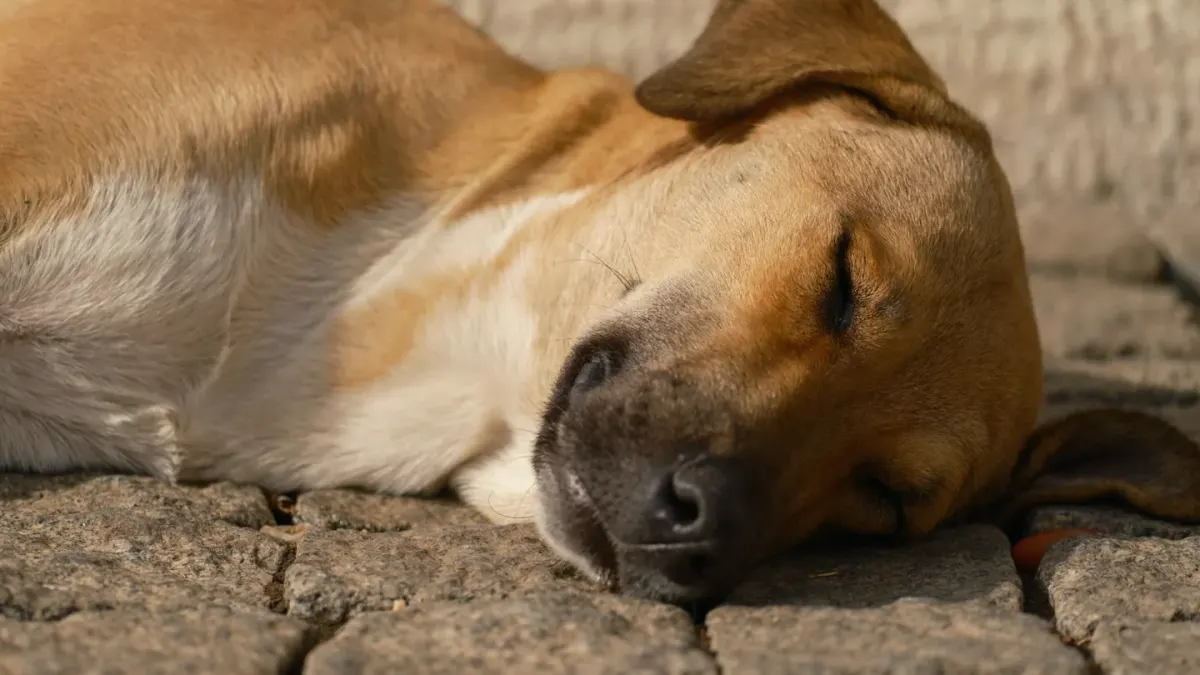
Most dogs leave the clinic with stress hormones still high, strange smells clinging to their coat, and sometimes a sore leg or queasy stomach from vaccines or handling. You get panting, drooling, whining, shaking, or a dog who won’t settle in the back seat. In my integrative practice I read that as Shen disturbance layered over a very Western picture: sympathetic arousal plus sensory hangover.
The parking lot felt like a win because you were out of the building. Your 6-year-old, 48-pound Lab mix finally stopped lip-licking at the checkout, you clipped the seatbelt harness, and you thought the hard part was over. By the second stoplight he was standing, panting hard, circling the bench seat and whining at every brake. You cracked the window, offered a treat he refused, and wondered if you should turn around. That decision — keep driving calmly versus intervene — is the whole ride-home question.
The car amplifies what the clinic started
Think contrast: exam room versus car. The exam room is bright, slippery, full of stops and starts. The car is motion, vibration, tight space, and no escape. A dog already flooded with adrenaline feels every turn more sharply.
Common drivers stack up. Fear memory from restraint or a needle stick. Nausea from car motion plus anxiety. Pain from a blood draw, anal gland expression, or sore hips lifted onto a table. Disorientation from new smells, pheromones from other stressed dogs, alcohol and cleaner odors on his paws. Hunger, thirst, and needing to urinate after a long wait add pressure.
I also weigh TCVM patterns beside that list. A dog with Heart Shen agitation looks restless and clingy, startles easily, pants with a red tongue. A dog with Liver Qi stagnation from restraint looks irritable and reactive, huffs and barks at traffic. A dog with Spleen Qi deficiency looks droopy and nauseated, drools and refuses food. Pattern never replaces diagnosis, but it changes how I support recovery.
Motion makes it worse before it gets better.
What helped one dog, and what backfired for another
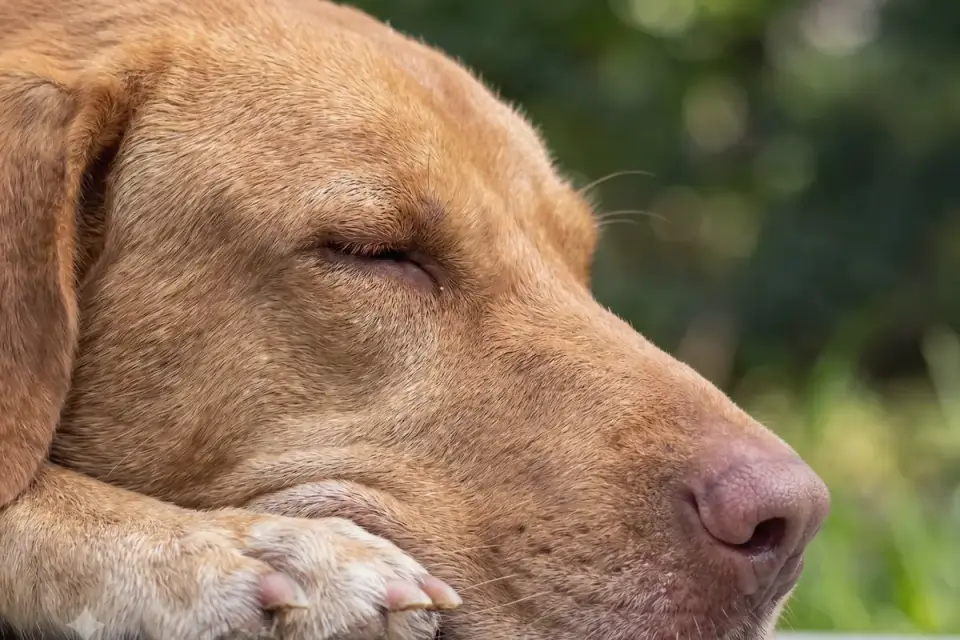
You tried what a neighbor swore by last month with her 4-year-old, 22-pound beagle mix: windows down, radio up, and a long soothing monologue the whole 20-minute drive. By day 3 after the visit that beagle was still panting when she saw car keys, and the owner felt guilty for pushing a happy-voice singalong over obvious lip licks and yawns. Flooding with noise and air didn’t settle a nauseated, overtired dog. It just added input. The tradeoff was clear — distraction can look like comfort to us while it keeps the nervous system revved.
That failure shapes what I prioritize now: subtract before you add. Lower noise, steady airflow without blasting wind, secure footing, a familiar blanket, and quiet company. Supplements that “may help support” calm fit after those basics, not instead of them. Our panel thinking is the same as my Dog Anxiety Supplements: What Our Panel Looks For Before Trusting a Label review — dose, testing, and fit first.
L-theanine is an amino acid found in tea that has been studied for its calming properties, according to veterinary review summaries I trust for structure/function language. The human literature is still limited — one review noted “except for one study on psychotic anxiety (SMD = 0.54; 400 mg/day for 8 weeks)” in Nature — which is why I never promise a drug-like effect for the car ride.
Sorting the ride home in order
I blend the TCVM pattern with the Western rule-out, then work in layers.
First, safety and body check. Secure restraint, nonslip surface, cool air, water offered at home rather than sloshing bowl in transit. Watch for hives, facial swelling, vomiting, bloody diarrhea, lameness that worsens, or collapse after vaccines — those need a call back, not calming care.
Second, decompression. Most post-visit arousal fades in 30 to 90 minutes if you don’t re-trigger it. Park in shade, short sniff walk if your vet allows activity, potty break, then quiet crate or room at home. Food therapy helps here: small, warm, bland meal for queasy Spleen-type dogs, rather than a rich chew.
Third, consider gentle supports for future visits. Chamomile and related herbs sit in that traditional-use space. One MDPI review put it plainly: “For the remaining species, evidence is derived mainly from preclinical studies or traditional use.” That matches my stance — they may help support relaxation as part of a plan, they don’t erase fear. You’ll see the same caution in our Dog Calming Chews: What the Evidence Actually Supports and Chamomile Dosage for Dogs: What Our Panel Actually Recommends guides.
The strongest counterargument I hear is fair: why fuss with patterns and herbs when you could just ask for trazodone or gabapentin next time? For many dogs, short-acting anxiolytics prescribed by their own vet are the right call, and I use them. My line holds because drugs work best paired with handling changes and recovery routine. Pill alone without desensitization often means the same panic next year at a higher dose.
My 9-year-old, 65-pound Shepherd-type patient showed the edge case last fall. He rode home quiet after senior bloodwork, then paced and whined three weeks in a row every evening around 7 p.m., the time we’d returned from the clinic. No new pain on recheck, just noise sensitivity that had generalized from car brakes to kitchen timers. We shifted the plan from car-only support to whole-evening wind-down, earlier feeding, white noise, and a pre-visit protocol for next time. The car wasn’t the problem anymore. Timing was.
A systematic look at ashwagandha in people found that “A systematic review analyzed multiple RCTs and concluded that ashwagandha has a moderate positive impact on stress reduction and cognitive performance,” reported in Cureus. Dog-specific data remain thin, so I treat KSM-66 and similar extracts as may-help-support ingredients to discuss with your vet, not ride-home rescues.
Where our panel lands on the shaky ride home
You don’t need to buy calm in a bag to fix this. You need a shorter arousal curve.
Plan the next visit backward from the car. Ask for low-stress handling notes in the chart, waiting in the car instead of the lobby, treats your dog actually takes, and whether a pre-visit anxiolytic fits his age and labs. Bring a non-slip mat, a chew he knows, and leave 15 unscheduled minutes after checkout for sniffing and settling.
If panting, trembling, or vocalizing lasts past that evening, if appetite stays off beyond 24 hours, or if fear spreads to other car rides, call your clinic. That persistence moves the case from normal comedown to something to work up.
You’ll get more mileage from that follow-up conversation than from any single chew.
Frequently asked questions
How long should post-vet anxiety last on the ride home?
Mild panting, clinginess, or restlessness often eases within 30 to 90 minutes once home is quiet. Call your vet if vomiting, swelling, trouble breathing, worsening lameness, or panic lasts into the next day.
Should I comfort my shaking dog in the car?
Stay calm and steady without fussing. Secure footing, low noise, gentle airflow, and quiet presence help more than petting, scolding, or loud reassurance.
Can calming supplements work for the drive itself?
Most need advance dosing and only may help support relaxation. Ask your vet about timing, dose, and whether a prescription anxiolytic fits better for true clinic fear.